
Steer clear of misinformation
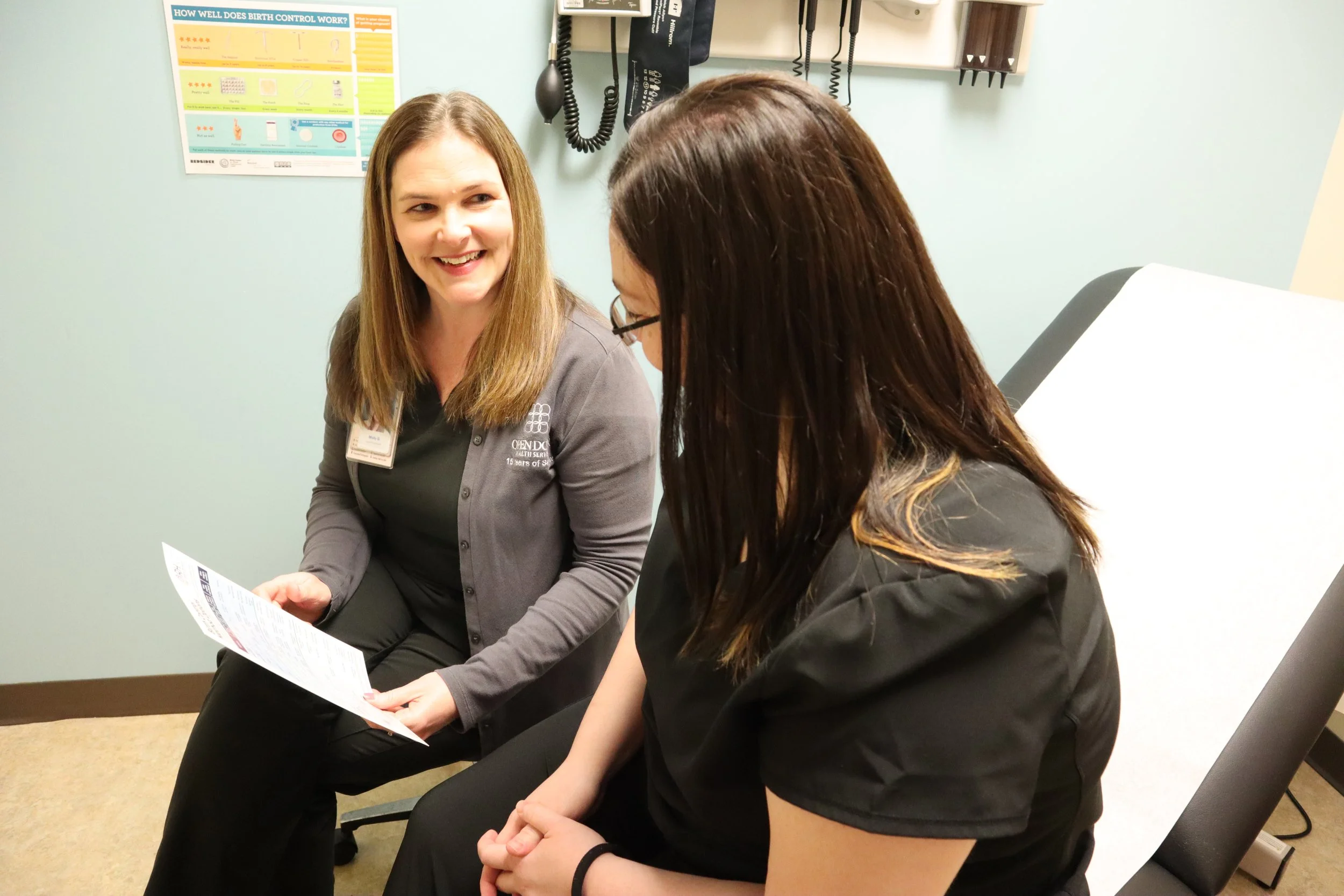
Molly Graybeal, NP | Open Door Family Planning
We have more health information at our fingertips today than ever before. One Google search can bring up thousands of websites, articles, videos, influencer ads, and social media posts claiming to have trustworthy recommendations. It’s increasingly difficult to tell which sources are sharing science-based information, and which ones are trying to sell you something.
Open Door’s Family Planning nurse practitioner, Molly Graybeal has noticed that more patients are finding misinformation online or from non-health professionals.
“I love when people talk about their health and share ideas with trusted family and friends. I love it when people do some research before coming to see me. But often they bring in opinions and speculations, not facts," she said. “When it comes to your health, it’s worth it to make sure your information is reliable.”
How can you tell if the health information you find is good?
It’s always best to talk with a healthcare professional before making changes to your health habits. If you’re wondering about the trustworthiness of a website, ask these six questions:
Who is paying for the site? In general, URLs that end in .gov, .edu, or .org (non-profit government agencies, universities, or healthcare systems) are better sources than those ending in .com or .net (for-profit companies).
Who runs the website? Check the “About Us” page. It should clearly say who/what organization is in charge of the website. It should also list staff members, board members, and contributors that are medical experts.
What is the main purpose of the site? Sites like cdc.gov, medlineplus.gov, and familydoctor.org are not trying to sell you anything. They were created to share health information. Advertisements, if any, are clearly marked.
Is the information reviewed by experts? It should be clear who wrote the health information, and that person should be a medical expert. Any links should take you to the original source of information.
Is the site up-to-date? The website should list when the information was written or last reviewed.
Do they want you to share personal information? Look for a privacy policy and be careful with sites that ask for more than your name and email address.
Molly’s website recommendations include the Office on Women’s Health (womenshealth.gov), the Menopause Society (menopause.org), and the Centers for Disease Control and Prevention (cdc.gov).
REMEMBER: Information you find on any website does not replace what your medical provider recommends.
Adapted from Medline Plus Evaluating Internet Health Information: A Tutorial, March 2018